
"Is my child getting the education they need to succeed?" This is the question that keeps many parents awake at night. This isn't just about test scores or college acceptance letters—it's about whether today's schools are preparing young minds for a world that demands creativity, collaboration, and critical thinking over rote memorization.
If you're evaluating project based learning schools or comparing traditional vs progressive education approaches, you're not alone. The landscape of learning styles and educational philosophies has never been more diverse or more critical to navigate thoughtfully.
This comprehensive comparison will help you understand both traditional education and project-based learning, examine their strengths and limitations, and determine which approach aligns with your child's learning style and future goals.
1. Understanding Traditional Education
Traditional education has served as the backbone of American schooling for over a century, built on time-tested principles of structured learning and standardized curricula. This approach prioritizes the systematic delivery of foundational knowledge through established teaching methods and consistent assessment practices.
Key characteristics of traditional education include:
- Structured daily schedule: 45-50 minute class periods with subject-to-subject transitions
- Teacher-centered instruction: Educators serve as primary knowledge deliverers through lectures and textbooks
- Individual assessment focus: Students demonstrate understanding through homework, quizzes, and standardized tests
- Systematic progression: Students master foundational concepts before advancing to complex material
- Standardized curriculum: Comprehensive coverage of required standards ensures consistent educational experiences
The traditional model emphasizes discipline, routine, and clear expectations that help students develop important organizational skills. This systematic approach provides predictable learning outcomes that colleges and employers readily understand, creating clear pathways from classroom to career.
Traditional education works best for students who:
- Thrive with structured environments and predictable routines
- Learn effectively through direct instruction and independent study
- Prefer clear expectations and explicit guidance
- Are self-motivated and comfortable with individual competition
- Excel at following directions and working within established systems
Assessment typically focuses on individual performance, with letter grades reflecting students' ability to demonstrate knowledge through written tests and assignments. This creates familiar benchmarks for academic progress that parents and institutions can easily interpret and compare across different educational contexts.
2. The Project-Based Learning Approach
Project-based learning represents a fundamental shift in educational philosophy, moving from "what you know" to "what you can do with what you know." This approach engages students in authentic, rigorous challenges that require research, collaboration, and creative problem-solving while building critical thinking skills that extend far beyond traditional classroom boundaries.
Core elements of project-based learning include:
- Extended learning blocks: 2+ hours allowing deep exploration of complex concepts
- Authentic investigations: Real-world challenges requiring research and creative problem-solving
- Collaborative learning: Students work together on meaningful projects and presentations
- Teacher as facilitator: Educators guide discovery rather than deliver predetermined content
- Authentic assessment: Students demonstrate learning through presentations, portfolios, and exhibitions
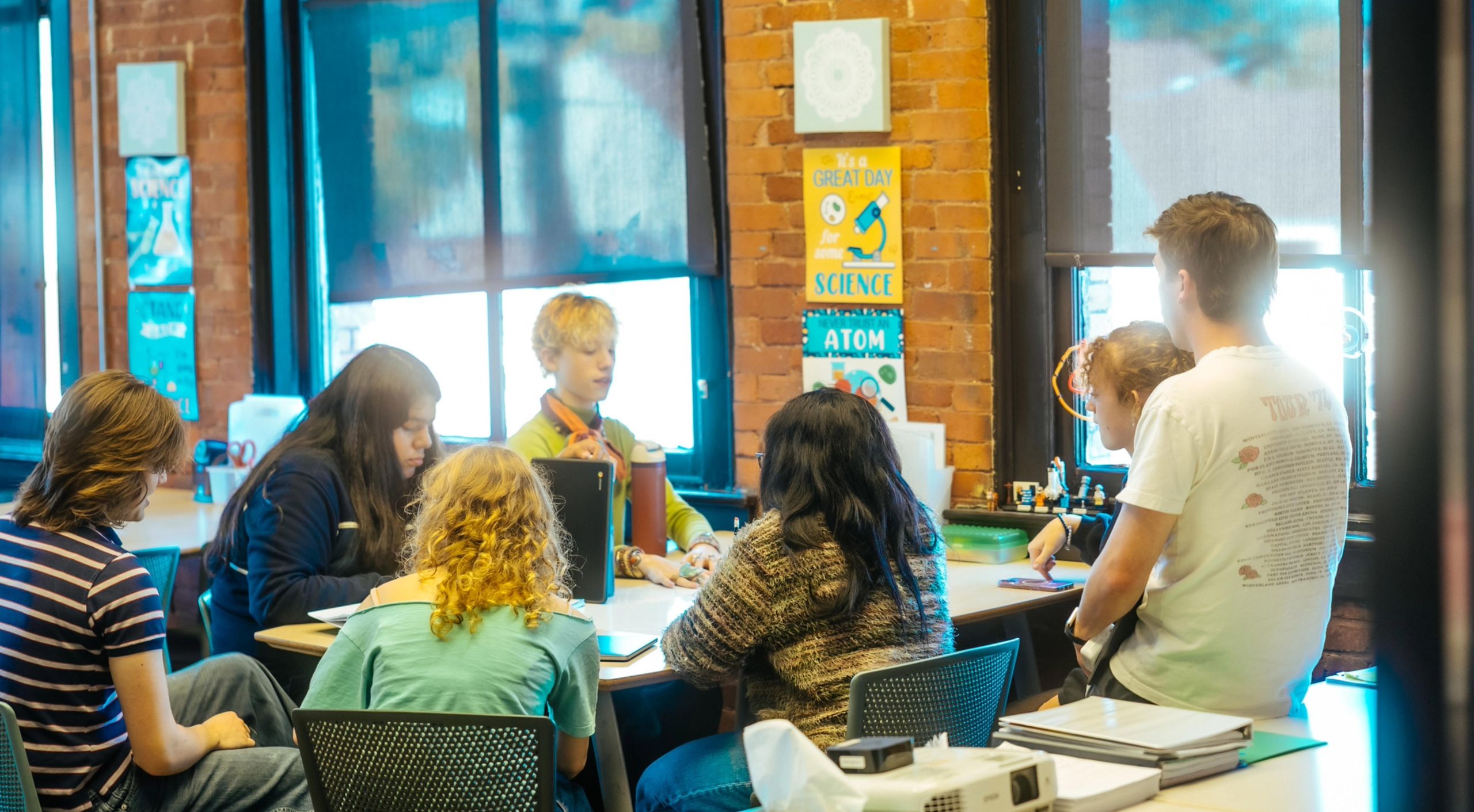
At Templeton Academy, project-based learning comes alive through extended learning blocks that allow students to dive deep into meaningful investigations. Instead of racing through fragmented subject periods, students have extended time to explore complex concepts, engage in substantial discussions, and connect their learning to real-world applications.
Examples of project-based learning:
- Roman Forum architectural project: Middle school students collaborate with volunteer architects to build scale models, integrating mathematics, engineering, and ancient history
- City-based fieldwork experiences: Students use their local environment as a classroom, exploring museums, government institutions, and community resources
- Substantial term projects: Students complete extensive investigations requiring significant focused work and research
- Community connections: Learning extends beyond classroom walls through partnerships with local professionals and institutions
The methodology transforms students from passive recipients of information into active creators of knowledge. This hands-on approach shifts the teacher's role from information deliverer to learning facilitator and mentor, supporting students as they navigate complex questions and develop meaningful discoveries.
Students in project-based learning develop:
- Critical thinking skills through open-ended investigations
- Communication abilities via presentations and authentic audiences
- Collaboration competencies through team-based projects
- Self-direction by taking ownership of their learning journey
- Real-world problem-solving skills applicable beyond school settings
3. Head-to-Head Comparison: Key Differences That Matter
Academic Rigor and College Preparation
Traditional education approach:
- Measures rigor through course load, standardized test scores, and grade point averages
- Students complete extensive homework and master content for high-stakes assessments
- Produces students familiar with structured academic environments
- Prepares students for traditional college lecture formats
Project-based learning approach:
- Defines rigor through depth of understanding and ability to apply knowledge
- Students engage in substantial term projects requiring extensive investigation
- Develops critical thinking, communication, and self-direction skills
- At Templeton Academy, 95% of graduates are accepted to their college of choice
The key difference lies in preparation style: traditional education teaches students to perform within established academic systems, while project-based learning develops the competencies that enable students to excel across diverse post-secondary environments.
Student Engagement and Motivation
Traditional classrooms often struggle with student disengagement, particularly among learners who need more active participation or connection to real-world relevance. The structure works well for self-motivated students but can leave others feeling disconnected from their education.
Project-based learning addresses engagement through:
- Personal connection: Students explore topics they care about through meaningful projects
- Intrinsic motivation: Students develop ownership of their learning journey
- Extended exploration: Longer learning blocks allow time for deep investigation
- Authentic purpose: Projects connect to real-world challenges and contemporary issues
- Active participation: Students engage as creators rather than passive recipients
This approach particularly benefits students who have become disengaged in traditional settings, offering them opportunities to discover their strengths and connect with learning in ways that feel authentic and purposeful.
Critical Thinking Development
Traditional education develops analytical skills through:
- Structured exercises and essay writing within established frameworks
- Problem-solving using recognized methods and formats
- Identification of correct answers and logical sequences
- Academic reasoning processes and standardized thinking patterns
Project-based learning cultivates critical thinking through:
- Open-ended investigations requiring source evaluation and synthesis
- Development of original solutions to complex problems
- Meaningful questioning and creative problem-solving approaches
- Collaborative reasoning and multiple perspective consideration
- Communication of reasoning to diverse audiences
The distinction is between consuming existing knowledge and creating new understanding through inquiry and investigation.
Real-World Application
Traditional education typically addresses real-world relevance through examples and case studies within classroom discussions, helping students understand how academic concepts apply to contemporary situations and career contexts.
Project-based learning embeds real-world application through:
- Fieldwork programs: Students engage with their local cities as living laboratories
- Professional partnerships: Learning from community experts and practitioners
- Authentic projects: Contributing to investigations that matter beyond school walls
- Community engagement: Addressing real challenges and contemporary issues
- Career exploration: Connecting academic content to professional applications
This approach helps students see immediate connections between their education and the world they'll navigate as adults.
Social-Emotional Learning
Traditional education often addresses social-emotional development through separate programs, extracurricular activities, and guidance counseling, while maintaining focus on academic content delivery during instructional time.
Project-based learning integrates social-emotional development through:
- Collaborative projects requiring teamwork and peer feedback
- Core Advisory programs providing mentorship and personal guidance
- Reflection practices building self-awareness and goal-setting skills
- Community presentations developing confidence and communication abilities
- Authentic relationships fostering trust and belonging in learning communities
Students develop interpersonal skills as natural components of their academic experience rather than through separate programming.
Individual vs. Standardized Approach
Traditional education strengths:
- Ensures consistent coverage of essential standards across schools
- Provides comparable educational experiences and outcomes
- Supports equity through standardized expectations
- Guarantees exposure to fundamental knowledge and skills
Project-based learning advantages:
- Prioritizes personalization based on individual interests and strengths
- Allows students to pursue learning through individualized pathways
- Small class sizes (average 10 at Templeton) enable customized support
- Teachers know each learner deeply and adapt instruction accordingly
- Students develop unique talents while building essential competencies
This personalized approach helps students discover their potential while ensuring mastery of critical skills and knowledge.
4. Common Parent Concerns
“Is project-based learning rigorous enough for college preparation?"
The evidence speaks clearly: Templeton Academy's 95% college acceptance rate demonstrates that students educated through project-based learning are exceptionally well-prepared for higher education. However, the preparation looks different from traditional models. Rather than teaching students to memorize information for tests, project-based learning develops research skills, critical thinking abilities, and communication competencies that college professors consistently identify as essential for academic success.
Project-based learning students enter college ready to engage in seminar discussions, conduct independent research, and tackle open-ended assignments that require synthesis and original thinking. They've practiced presenting to authentic audiences, collaborating on complex projects, and persisting through challenges—skills that serve them well in rigorous college environments.
"Will my child be prepared for standardized tests?"
While project-based learning schools may not focus exclusively on test preparation, students develop strong analytical and reasoning skills that transfer effectively to standardized assessments. More importantly, they graduate with competencies that matter beyond test scores: the ability to think critically, communicate effectively, and approach problems creatively.
Many project-based learning graduates report feeling more confident during standardized tests because they've developed strong reasoning abilities and comfort with complex, multi-step problems. The key difference is that test performance becomes one indicator among many, rather than the primary measure of educational success.
"What about foundational knowledge?"
Project-based learning doesn't ignore foundational knowledge—it approaches skill and content development through authentic contexts that help students understand why certain information matters and how it connects to broader understanding. Students still master essential mathematical concepts, develop strong writing skills, and build scientific understanding, but they do so through meaningful investigations rather than isolated skill practice.
This contextual approach often leads to deeper retention because students understand not just what they're learning, but how it applies to real situations and why it matters for their future goals.
“How do project-based learning students perform in traditional college settings?”
Project-based learning graduates often excel in college environments because they've developed self-direction, critical thinking, and communication skills that many traditionally-educated peers lack. They're comfortable with ambiguity, skilled at asking meaningful questions, and experienced in collaborative learning environments that mirror many college and professional settings.
“Can students transfer between project-based and traditional schools?”
Students can successfully transition between different educational approaches, though they may need time to adjust to different expectations and assessment methods. Project-based learning students typically adapt well to traditional environments because they've developed strong self-advocacy skills and comfort with diverse learning situations.
“How do employers view project-based learning graduates?”
Employers increasingly value the skills that project-based learning emphasizes: creativity, collaboration, communication, and critical thinking. Many report that graduates from project-based programs demonstrate stronger problem-solving abilities and comfort with ambiguous, complex challenges that characterize today's workplace environments.
“What types of students thrive in project-based learning environments?”
Students who benefit most from project-based learning include those who are curious, enjoy hands-on experiences, prefer collaborative work, and want to see connections between their education and the broader world. However, the approach can also re-engage students who have become disinterested in traditional settings by offering them opportunities to explore their passions and strengths in meaningful ways.
5. Making the Right Choice for Your Family
The decision between traditional and project-based education isn't about finding the "better" approach—it's about understanding which methodology aligns with your child's learning style, interests, and goals. Both approaches can prepare students for success, but they do so through different pathways and with different emphases.
Consider project-based learning if your child thrives through hands-on experiences, enjoys collaborative work, asks lots of questions, and wants to understand how their learning connects to real-world challenges. This approach particularly benefits students who have felt disengaged in traditional settings or who learn best through active participation and authentic contexts.
Traditional education may be ideal for students who prefer clear structure, work well independently, and thrive in environments with predictable routines and explicit expectations. This approach serves students effectively when they're motivated by academic achievement and comfortable with standardized measures of success.
The most important factor is understanding your child as a unique learner and finding an educational environment where they feel seen, supported, and challenged to reach their full potential. At Templeton Academy, we believe every student deserves an education that honors their individuality while preparing them for lives of purpose and impact.
Ready to explore how project-based learning might benefit your child? Schedule a campus visit to see our innovative approach in action, observe our extended learning blocks, and speak with current students and faculty about the Templeton experience. Whether in Nashville or Washington, D.C., we'd be honored to show you how education as it should be comes alive in our learning community.